Due Diligence: 12 mandatory checks before buying any premium domain
Trademark, UDRP history, blacklists, archive content, ownership pattern... A checklist for deals $25K and above — for both individuals and B2B resellers.
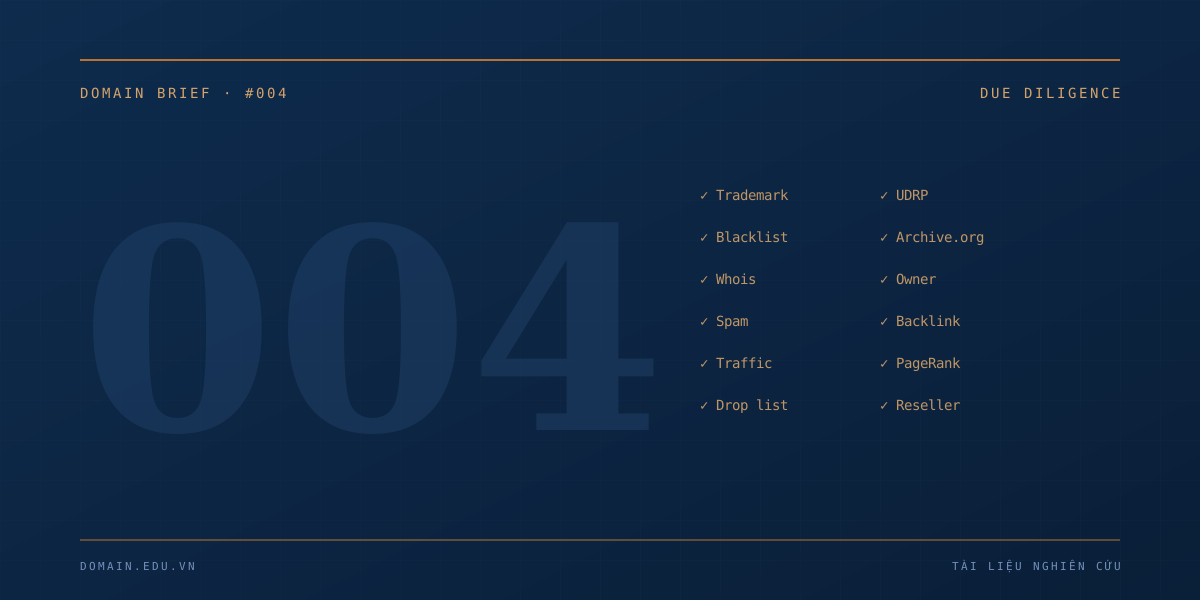
Every premium domain transaction above $25K should pass 12 mandatory due-diligence checks. Skipping any one of them risks UDRP loss, blacklist contamination, or buying a name with hidden ownership history that crashes resale value. This is the institutional checklist used by domain reseller B2B operations.
The 12 checks (in priority order)
1. Trademark search. USPTO + WIPO Global Brand database. Any registered trademark covering the exact string in any class is a red flag. Match in your buyer's home country = avoid.
2. UDRP history. Check WIPO and NAF databases for prior disputes on the exact domain or near-identical names. A domain that has been UDRP-challenged once will be challenged again.
3. Blacklist scan. Spamhaus DBL, SURBL, URIBL. Names previously associated with phishing or malware retain the listing for years and reduce email deliverability for any future buyer.
4. Wayback Machine archive. Review past content at archive.org. Adult content history, gambling, or scam pages permanently damage brand value.
5. Whois history. WhoisFreaks or DomainTools history. Frequent ownership changes (5+ in 5 years) suggest the name has been flipped repeatedly without organic appreciation.
6. Drop history. Has the name dropped (expired) before? Multiple drops indicate weak demand and potentially permanent reputation damage.
7. Backlink profile. Ahrefs or Majestic. Toxic backlinks from spam farms cannot be easily disavowed and hurt SEO for any future site.
8. SSL transparency. crt.sh search. Subdomain proliferation hints at past abuse infrastructure.
9. Social handle availability. Twitter/X, Instagram, Facebook, TikTok. If the matching social handles are taken by unrelated parties, brand-buyer interest drops.
10. Pronunciation and clarity. Read it out loud. If the name requires spelling clarification, end-user willingness drops 30-50%.
11. Cross-cultural check. The name should not have negative meaning in major target markets (English, Mandarin, Spanish, Vietnamese for SEA-focused names).
12. Price comparable verification. Final check — three NameBio comparables within 18 months should support the asking price. If you cannot produce three, the price is unsupported.
Due diligence is the cheapest insurance in domain investing. Two hours of checking saves you from buying a name that turns out to be a UDRP magnet.
Practical workflow
For a name under $5K, run checks 1-3 minimum. For $5-25K, add checks 4-7. For $25K+, run all 12. Document findings in a spreadsheet for each acquisition — this becomes invaluable evidence if a UDRP or trademark challenge arises later.
Brief #009 covers risk hedging including UDRP defence. Brief #007 explains the comparable-price methodology referenced in check 12.
Frequently asked
How long do these 12 checks actually take?
For experienced operators, 2-4 hours per name. First time, expect 6-8 hours. The bulk goes into archive.org review and trademark searching. Many tools (Ahrefs, WhoisFreaks) charge by query — budget $50-100 per due-diligence pass at scale.
Can I skip checks for a $1K name?
Skip 8-12, but never skip 1-3. Trademark, UDRP, and blacklist exposure can cost more than the asset itself in legal fees. Cheaper names sometimes have the worst histories — that is why they are cheap.
What if a name fails one check but passes 11?
Depends on which check. UDRP loss in past = absolute no. Toxic backlinks = recoverable with patience and SEO disavow tools. Past adult content = problematic but may be acceptable at deep discount. Calibrate by failure type, not failure count.
You just finished a brief ★
Get the next brief by email every Monday morning. Or browse 1,000+ premium domains on our partner marketplace.